Many people assume that successful investing belongs to those who began decades ago. They look at retirement accounts that have had years to grow and wonder if they have already missed their opportunity.
Fortunately, that isn’t how investing works.
While time is certainly one of an investor’s greatest advantages, it is not the only one. Consistent contributions, thoughtful planning, and a long-term perspective can produce meaningful results regardless of when you begin.
The best time to start investing may have been years ago. The second-best time is today.
Time Is More Flexible Than You Think
It’s easy to underestimate what ten, fifteen, or even twenty years can accomplish.
Compound growth allows your investments to generate returns that, in turn, begin generating returns of their own. Although starting early provides more time for this process, many investors still have years or even decades available to benefit from compounding.
Rather than focusing on lost time, focus on making the years ahead as productive as possible.
Financial progress is rarely built through one perfect decision. It grows from consistent choices repeated over time.
Consistency Matters More Than Perfection
One of the biggest mistakes people make is believing they need a large amount of money before they can begin investing.
In reality, consistency often matters far more than the size of your first contribution.
Regular monthly investments allow you to build wealth gradually while developing habits that become easier over time. Even modest contributions can grow significantly when maintained consistently and increased as your income grows.
Waiting for the perfect moment often becomes the biggest obstacle.
Beginning today, even with a small amount, is usually the better decision.
Build Habits That Support Long-Term Success
Successful investors understand that building wealth is less about making dramatic decisions and more about creating sustainable routines.
Automating contributions removes much of the temptation to spend money elsewhere. Reviewing your portfolio periodically helps ensure your investments continue supporting your goals. Increasing contributions whenever your income grows allows your savings to accelerate naturally without requiring major lifestyle changes.
Good investing habits become part of your routine rather than something you need to think about every month.
Invest With a Purpose
Investing should always support a larger goal.
For some people, that goal is retirement. Others hope to travel, become financially independent, help children or grandchildren, start a business, or simply reduce financial stress later in life.
Understanding why you’re investing makes it much easier to remain committed during periods of market uncertainty.
When your investments are connected to meaningful personal goals, temporary market fluctuations become less emotionally overwhelming.
Focus on the Long View
Markets rise and fall. Economic conditions change. Headlines often create anxiety, making it tempting to react emotionally to short-term events.
History consistently shows that patient investors who remain focused on long-term objectives generally fare better than those who repeatedly attempt to predict short-term market movements.
No one can eliminate uncertainty.
Successful investors learn to manage it rather than fear it.
Investing Is About More Than Money
Building wealth creates opportunities that extend well beyond financial statements.
Savings provide flexibility during unexpected challenges. Investments can create choices about when to retire, where to live, or how to spend your time. Financial independence often brings something even more valuable than money.
Peace of mind.
Knowing that your future is becoming more secure allows you to focus more fully on the people, experiences, and goals that matter most.
In many ways, investing is an act of optimism. It reflects confidence that today’s thoughtful decisions will create a better tomorrow.
Frequently Asked Questions
Is it ever too late to start investing?
No. While beginning earlier provides more time for compound growth, many people build meaningful wealth by investing consistently over ten, fifteen, or twenty years. The most important step is getting started.
How much money do I need to begin investing?
Many investment accounts allow you to start with relatively small amounts. Developing the habit of investing regularly is often more important than the size of your initial contribution.
What is compound growth?
Compound growth occurs when your investment earnings begin generating earnings of their own. Over time, this compounding effect can significantly increase the value of your investments.
Should I pay off debt before investing?
It depends on your situation. High-interest debt often deserves priority, while lower-interest debt may allow you to invest at the same time. A qualified financial professional can help determine the best approach for your circumstances.
How often should I review my investments?
Most investors benefit from reviewing their portfolios once or twice a year. Frequent monitoring can encourage emotional decisions, while periodic reviews help ensure your investments remain aligned with your goals.
A Final Thought
One of the greatest obstacles to investing isn’t a lack of money. It’s the belief that the opportunity has already passed.
The future isn’t determined by when you wish you had started. It’s shaped by the decisions you make today.
Every thoughtful investment, no matter how small, is a vote for the life you hope to build tomorrow. The journey toward financial security doesn’t begin with perfect timing. It begins with a single decision to take the first step.
About the Author
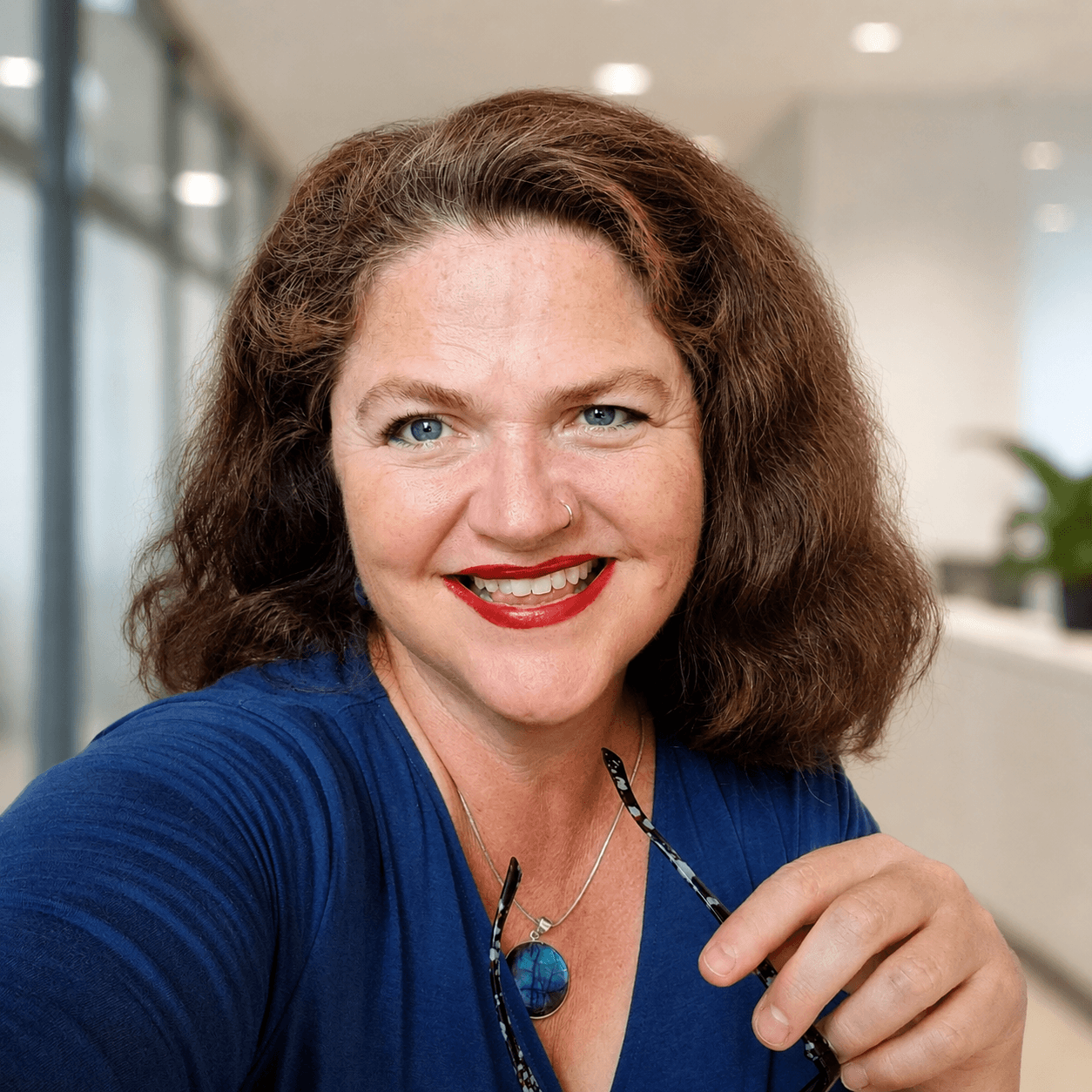
Kandace Blevin is the author of How to Massage Your Lover, Living the Keto Life, and Connected By Touch, as well as a multimedia advertising consultant with more than two decades of experience helping organizations connect with military communities around the world.
Through The Vibrant Life, she explores practical ideas for healthier living, personal finance, meaningful relationships, lifelong learning, and intentional personal growth. Her goal is to help readers make thoughtful choices that lead to a richer, more balanced life.
Learn more about her books, writing, and professional work at KandaceBlevin.com.
✨ Stay connected: Subscribe to the Vibrant Life Newsletter
Explore
- Thinking in Conversation: What I’ve Learned About Working with AI
- The Guilt-Free Budget: How to Save Without Feeling Restricted
- The Joy of Letting Go: What Downsizing Taught Me About Living Intentionally
- The Entrepreneur Mindset: Habits That Build Real Wealth
- Smart Investing: It’s Never Too Late to Build Wealth
Leave a Reply