There are moments in life when you realize that everything you own could fit into just a few suitcases.
For me, that realization came as I prepared to leave the United States to serve in the Peace Corps in Mozambique. After years of building a life, raising children, and accumulating the countless possessions that naturally gather over decades, I found myself making one of the most unexpected decisions of my life. I sold my RV, donated or passed along most of what I owned, and reduced my belongings to what I could carry with me for a two-year adventure halfway around the world.
At first glance, it may sound like a story about minimalism.
Looking back, I realize it was really a story about freedom.
Letting Go of a Lifetime
Most of us spend our lives adding.
We buy homes, furnish rooms, collect books, inherit family keepsakes, purchase kitchen gadgets, save souvenirs from vacations, and fill closets with clothes that remind us of different seasons of life. None of those things are inherently bad. Many of them represent meaningful memories and milestones.
But preparing to move to Africa forced me to ask a question I had never seriously considered before.
What do I actually need?
The answer surprised me.
As each box left my home and each possession found a new owner, I expected to feel loss. Instead, I felt lighter. Every donation and every item sold removed a small layer of responsibility that I hadn’t even realized I was carrying.
What remained wasn’t an empty life, it was simply the part that mattered most.
More Than a Minimalist Experiment
People often associate minimalism with spotless white rooms, carefully curated wardrobes, and owning as little as possible. While there’s certainly nothing wrong with simplicity, my experience wasn’t driven by a desire to own fewer things.
It was driven by the opportunity to experience more life.
My departure for the Peace Corps wasn’t an escape from responsibility. It was an intentional pause. I was stepping away from familiar routines and choosing a path filled with uncertainty, growth, and service.
Everything I needed for those next two years fit into two suitcases.
It turned out that was enough.
Living in Mozambique shifted my perspective in ways I never anticipated. Daily life became less about possessions and more about relationships, resilience, and appreciating simple comforts. The things that occupied my thoughts back home seemed remarkably less important when viewed from halfway around the world.
Memories Don’t Live Inside Our Possessions
One of the greatest surprises was discovering that I didn’t miss most of what I had left behind.
That realization felt almost uncomfortable at first.
We often believe our belongings hold our memories. We save furniture because it reminds us of a home we loved. We keep boxes of decorations because they remind us of holidays spent with family. We hesitate to part with gifts because they represent people who cared about us.
But memories don’t actually live inside those objects, they live inside us.
Selling a favorite chair didn’t erase the conversations that happened while sitting in it. Donating books didn’t erase what they had taught me. Passing treasured belongings on to my children allowed those items to continue their story instead of remaining tucked away in storage.
Once I understood that distinction, letting go became much easier.
Time Is Our Most Valuable Possession
Perhaps the greatest lesson had nothing to do with material things at all.
It was about time.
When we remove unnecessary clutter from our lives, we often create space for something far more valuable. We gain time to pursue meaningful work, strengthen relationships, explore new places, learn new skills, or simply enjoy a quiet afternoon without feeling consumed by obligations.
The older I become, the more convinced I am that time is life’s most precious resource.
We cannot save it for later. We cannot earn more of it.
We can only choose how we spend it.
Looking back, I don’t remember the possessions I gave away nearly as vividly as I remember the people I met, the lessons I learned, and the experiences that shaped me during those years.
Those memories have stayed with me far longer than any object ever could.
Looking Back Years Later
When I first wrote about this experience, I was still relatively close to it.
Today, with the perspective that comes from additional years of life, I appreciate those lessons even more.
I no longer measure success by how much I own or how full my home appears. Instead, I think about whether the things I choose to keep truly add value to my life. Every item requires space, attention, maintenance, and mental energy. That doesn’t mean we should live with as little as possible. It simply means that our possessions should serve our lives rather than quietly becoming another responsibility.
Ironically, simplifying my surroundings didn’t make my life smaller.
It made it much bigger.
That decision ultimately opened the door to experiences I never could have imagined, from living in Africa to building a career overseas and creating a life rich with travel, learning, and meaningful relationships. Looking back now, I can see that letting go of my possessions wasn’t the end of one chapter. It was the beginning of another.
Living Intentionally
Minimalism isn’t really about owning fewer things, but rather making room for what matters.
For some people, that may mean clearing out an overfilled closet. For others, it may mean simplifying a schedule, letting go of unrealistic expectations, or releasing habits that no longer serve them.
Intentional living looks different for everyone.
The common thread is choosing deliberately rather than simply accumulating more because that’s what we’ve always done.
Sometimes the greatest freedom comes not from acquiring something new, but from discovering that we already have enough.
A Final Thought
Life has a way of convincing us that happiness is found in the next purchase, the bigger house, the newer car, or the growing collection of things we surround ourselves with. Yet some of the richest seasons of my life began after I let most of those things go.
Looking back, I don’t remember what I owned nearly as clearly as I remember the people I met, the places that changed me, and the moments that expanded my understanding of the world.
If there is one lesson I carried home from that experience, it is this: the most meaningful parts of our lives rarely fit inside a box. They are found in our relationships, our experiences, our purpose, and the courage to embrace change when life offers us the opportunity to begin again.
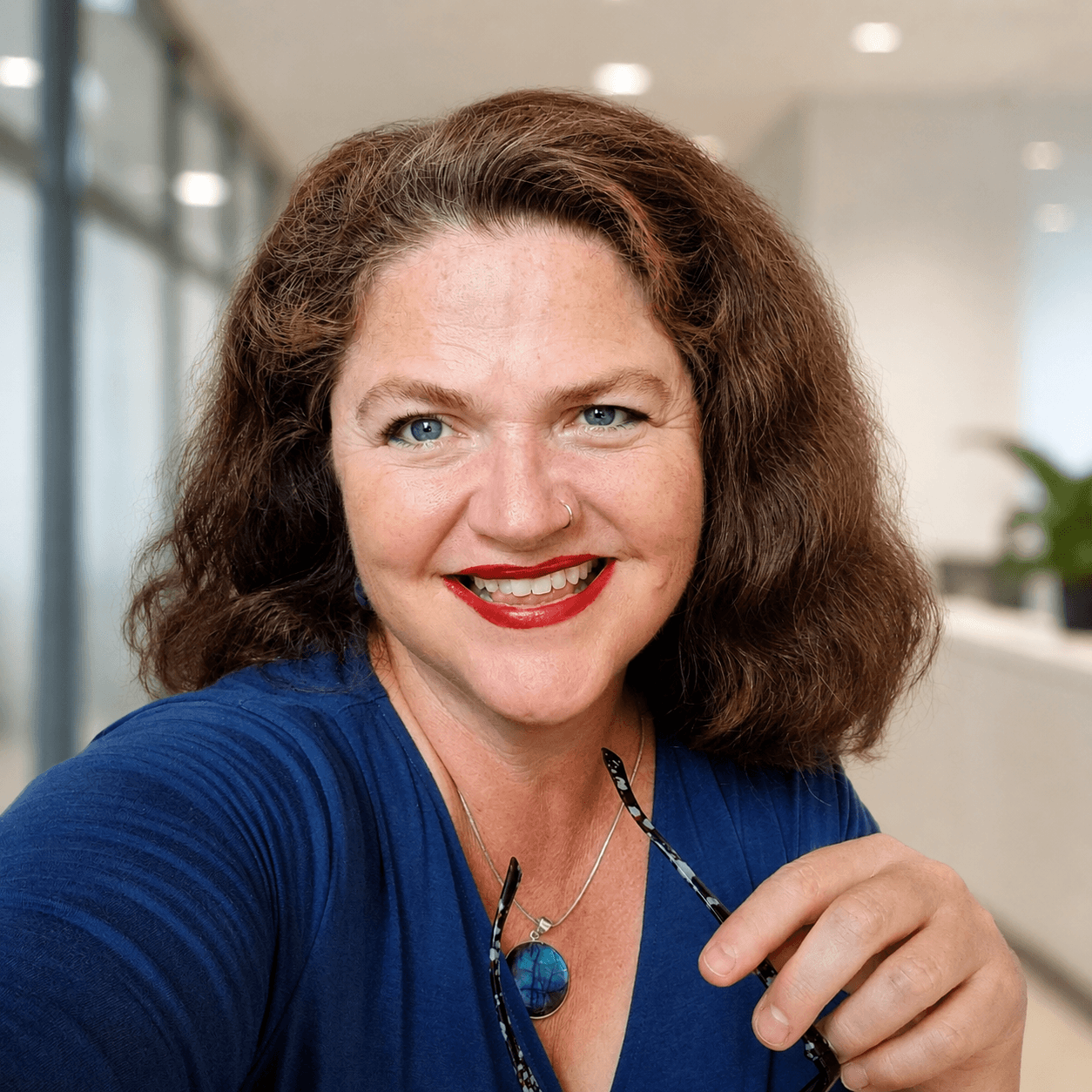
About the Author
Kandace Blevin is the author of How to Massage Your Lover, Living the Keto Life, and Connected By Touch, as well as a multimedia advertising consultant with more than two decades of experience helping organizations connect with military communities around the world.
Through The Vibrant Life, she explores practical ideas for healthier living, personal finance, meaningful relationships, lifelong learning, and intentional personal growth. Her goal is to help readers make thoughtful choices that lead to a richer, more balanced life.
Learn more about her books, writing, and professional work at KandaceBlevin.com.
✨ Stay connected: Subscribe to the Vibrant Life Newsletter
Frequently Asked Questions
What does intentional living mean?
Intentional living is the practice of making conscious choices that align with your values rather than simply following habits or expectations. It encourages you to focus your time, energy, and resources on what matters most.
Is minimalism about owning as little as possible?
Not necessarily. While some people choose to own very few possessions, minimalism is more about removing unnecessary distractions so you can make room for the people, experiences, and priorities that bring lasting fulfillment.
How can downsizing improve your quality of life?
Downsizing can reduce stress, simplify daily responsibilities, and help you focus on experiences instead of possessions. Many people find that living with less creates greater financial flexibility and more freedom to pursue meaningful goals.
Explore
- Thinking in Conversation: What I’ve Learned About Working with AI
- St. Thomas Uncovered: Sun, History & Island Ease
- Kayaking Through Pine Island: A Quiet Escape in Southwest Florida
- How to Feel Loved Again: Rebuilding Connection in Midlife
- The Brain-Loving Science Behind the Mediterranean Keto Diet
Leave a Reply